Digital passport on your phone: how to store and show it safely
A digital passport on your phone is convenient if you check access, the screen, and a backup option in advance. We explain when electronic documents help, where showing them most often fails, and how to open the right screen without unnecessary fuss.
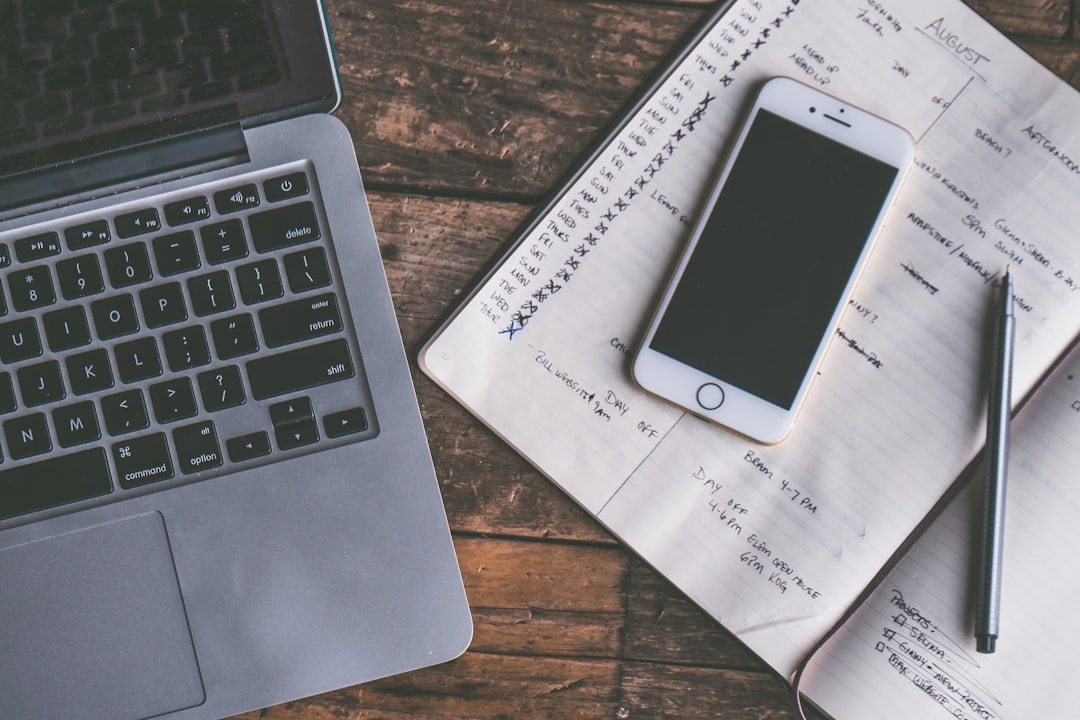
Having a digital passport on your phone no longer sounds exotic: people increasingly want to show a document from the screen quickly, without extra words and without exposing more than necessary. The reason is clear: major platforms continue to develop digital IDs in phone wallets, and the idea itself is becoming more familiar for everyday scenarios. For example, Apple’s official note about Wallet and ID describes this as part of the normal user experience: Wallet and state IDs on iPhone. That does not mean any document will be accepted automatically anywhere. But it is a good moment to calmly figure out what to keep on your phone, how to show a document safely, and why the scenario sometimes breaks right when you are in a hurry.
In short: when documents on a phone really help
Electronic documents on a phone are useful where speed and minimal extra actions matter. You do not need to search through a paper folder, you can open the needed screen in seconds, and show only what is needed right now. This is especially convenient in places where the question is brief: “Show your document,” “Confirm your details,” “Do you need to show your ID?” But convenience works only when the document is prepared in advance and the phone does not let you down.
The main point is simple: a digital passport on your phone is not magic, but a way to reduce friction. It helps when you have already thought about access, screen brightness, and a backup option.
When you need a document from your phone: 5 everyday scenarios
Most often, a document on screen is needed in ordinary, not “technical,” situations:
- at an office entrance or checkpoint;
- in a service where you need to confirm your identity quickly;
- when receiving a service if you are asked to show an ID;
- while traveling, when you need to open the right details quickly;
- when the paper original is not at hand, but you need to show something right now.
It is in such cases that people most often look for the answer to how an electronic document differs from a paper one. In essence, the difference is not only in format, but also in the scenario: paper usually gives more independence from battery life and the screen, while the digital option gives more speed and convenience.
Checklist before showing it: what to check in advance
Before leaving home, it is worth spending one minute on a simple checklist:
- the phone is charged with enough battery for the trip;
- the needed document is already open or easy to find;
- the screen is not too dim for quick reading;
- the device unlocks without a long search for a password;
- you know exactly which screen should be shown first.
It may seem minor, but these are exactly the things that most often break the scenario. A person is sure that “the document is on the phone,” then loses a minute searching, another minute unlocking, and ends up getting nervous.
How an electronic document differs from a paper one
Simply put, a paper document is a physical original that does not depend on battery life or the interface. An electronic document is convenient access to data on the screen, which depends on the phone, system version, display quality, and the readiness of the app or wallet.
For the user, the difference shows up in three things:
- speed — the digital option opens faster if everything is ready;
- control — you can show only the needed screen;
- reliability — paper is less likely to fail if the phone dies or you cannot unlock it.
So the question is not which format is “better in general,” but which one fits a particular situation.
Why an electronic document on a phone may not be accepted
Refusal is often related not to the document itself, but to how it is shown. Typical reasons:
- the phone is not unlocked or takes too long to unlock;
- the screen is too dark, so the data is hard to read;
- a person opens the wrong screen and starts getting confused;
- the document is not updated or cannot be shown in the current mode;
- it is inconvenient for the staff member to check the document when you are quickly scrolling through extra items.
Here it is important not to argue or panic. First, check what exactly failed: access, display, or the format itself. Often one calm retry solves the problem.
How to show a document safely and without extra explanations
The neatest way is to open the needed document in advance instead of searching for it in front of another person. Hold the phone so that only the needed screen is visible, with no extra navigation. Do not keep swiping out of habit, even if it seems that “everything is already visible.”
Another common mistake is to show the document on an unlocked phone and then get distracted by notifications and other screens. It is better to disable unnecessary actions during the check and keep the device under control with one hand.
If you often present documents from your phone, it helps to decide in advance exactly what you will open first. That reduces anxiety and saves seconds.
What to keep on your phone and what is better to keep separately
It is convenient to keep on your phone what you need to show quickly and what you actually use. But do not turn your smartphone into the only storage place for all important data. Documents in a phone wallet are about convenience, not a reason to give up a backup plan.
A good habit is to separate:
- what you need to show often;
- what can be restored or duplicated;
- what is better kept separately for privacy.
If you use one phone for everything, protecting access becomes especially important: a strong lock, a clear unlock method, and as few extra screens as possible in view.
If something goes wrong: a 3-minute quick plan
If the document does not open, do not argue with the situation. Do this:
- check battery and unlocking;
- open the document again, without rushing;
- increase screen brightness;
- make sure you are showing the correct page;
- if it still does not work, calmly switch to the backup option.
This is where it helps to understand why a document cannot be shown from the phone: sometimes it is the screen, sometimes access, and sometimes simply that you are moving through the steps too quickly. In such moments, slowing down is better than trying to “beat” the problem in 10 seconds.
What else to set up on your phone for calmer access
If documents are a regular topic for you, look at nearby habits: how notifications turn on, how quickly the needed files open, and whether you can prepare the screen in advance for showing. It is also useful to understand how to send important files in a chat without failures — that helps when a document needs not only to be shown, but also sent. How to send important files in a chat without failures is a good next step if you want less hassle in everyday digital scenarios.
PING block: how to pass the signal quickly without extra steps
At PING, we focus on a clear signal: the user should quickly understand what is happening in the chat. This is especially important when you send a scan, a photo, or a request to confirm details. The fewer extra steps there are, the calmer the conversation is: you show what is needed, the other person sees the main point, and the reply comes faster and without confusion.
And here a simple rule works: do not complicate what should be fast. First prepare the document, then show it, and only then explain if it is really needed.
Read also
Frequently asked questions
What documents can you keep on your phone?
It makes sense to keep on your phone the documents you actually show in everyday scenarios and that you can open quickly. But you should not make your smartphone the only place for everything important: it is better to have a backup option and protected access.
How is an electronic document different from a paper one?
An electronic document is more convenient in terms of speed and control: you can open the needed screen and avoid extra scrolling. A paper document is usually more reliable as a physical original and does not depend on battery life or the interface.
Is it safe to keep a passport on your phone?
It cannot be called completely safe: the risk depends on the lock, access settings, and who can see the screen. For a calm scenario, you need a strong lock, as few extra screens as possible, and a backup way to confirm the details.
Why might an electronic document on a phone not be accepted?
Most often the issue is not the document itself, but access, brightness, the wrong screen, or rushing. First check unlocking, battery, visibility, and whether you are opening the right page.
How can you show an ID from your phone quickly?
Open the needed document in advance, increase brightness, avoid extra scrolling, and keep the screen under control. If the scenario fails, calmly switch to the backup option — that is faster than arguing on the spot.
Источники и первоисточники
- Apple launches the first driver’s license and state ID in Wallet... - Applewww.apple.com
July 15, 2026 . UPDATE. Madden NFL 27 Arcade Edition brings gridiron action to Apple Arcade on August 6. July 14, 2026 . QUICK READ. Apple and Major League Baseball announce August “Friday Night Baseball” schedule.
Was this article useful?
Your feedback helps make PingBook more precise.