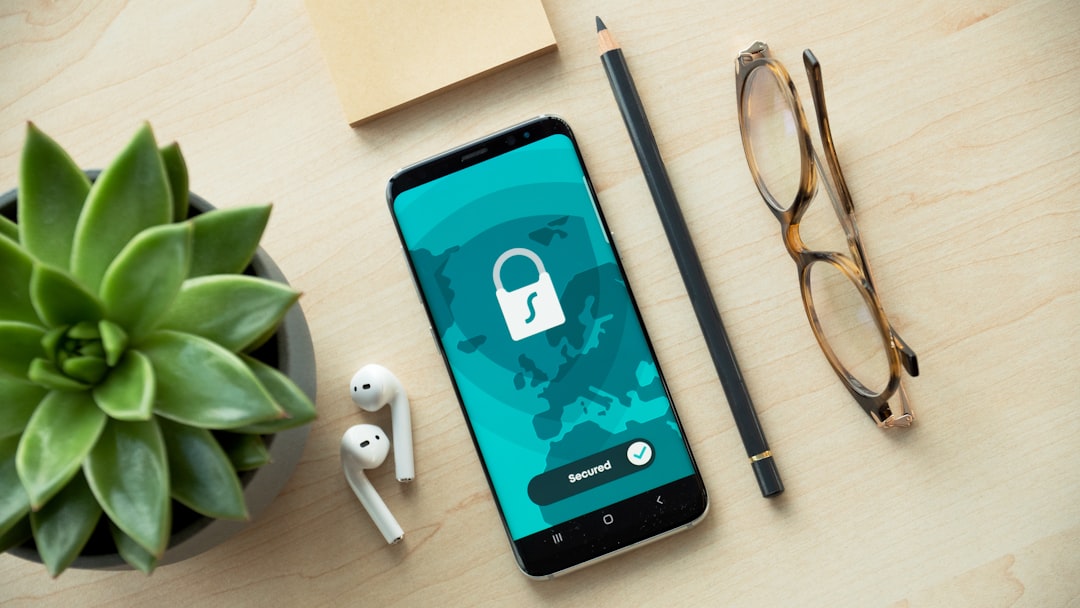
How to set a password for your chats
We break down how to set a password for your chats in practice: what the phone protects, what the app protects, how to hide messages from outside access, and how to check whether someone else is reading your account.
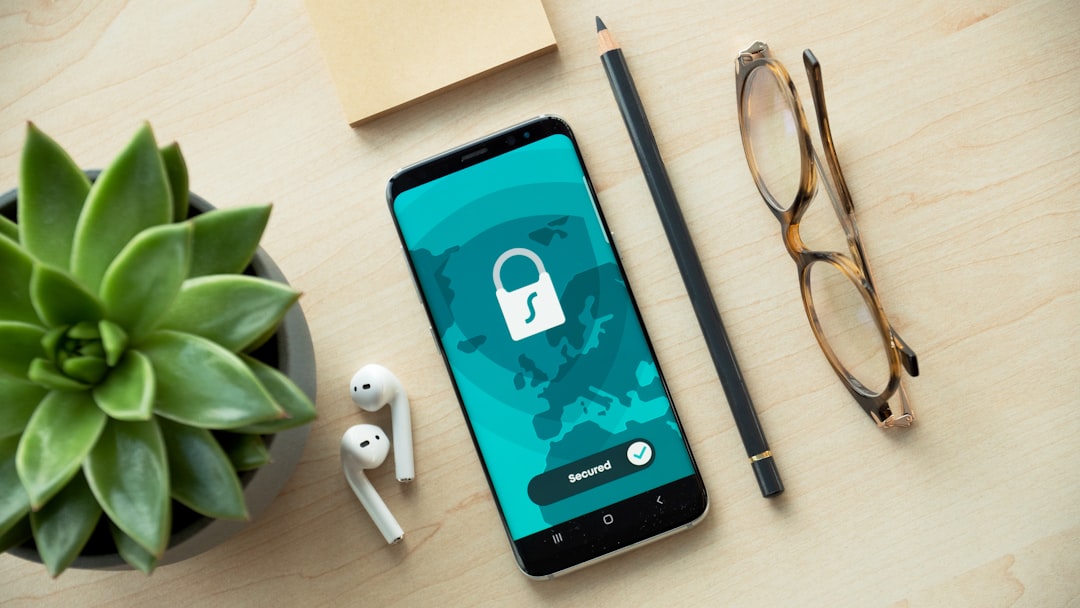
How to set a password for your chats
If you are looking for how to set a password for your chats, the important answer is this: most often, you do not put a password on the chat itself, but on the phone, the app, or separate access features. That is the fastest way to protect messages from prying eyes.
It is best to start simple: check the screen lock, enable a passcode or biometrics, and then review the privacy settings in your messaging app. This will immediately reduce the risk of accidental access and help you understand where protection can be strengthened.
What exactly can be protected with a password in chats
In practice, the question how to set a password for your chats usually means not one step, but several layers of protection. It is important to understand the difference:
- Phone — the main sign-in screen. If it is protected, it is already harder for someone else to open your messages.
- App — sometimes there is a separate code, biometrics, or hidden chats inside.
- Notifications — even without opening the app, they may show part of the text on the lock screen.
- Account — if someone gets access to the account, they may read the history from another device.
That is why the right approach is not to look for one “magic password,” but to build several simple barriers. This is especially useful if you are thinking about how to limit access to messages on your phone without complicated settings.
How to limit access to messages on your phone
The most reliable and straightforward scenario is to lock access at the device level. For an everyday user, that is often enough.
- Set a passcode, PIN, or biometrics to unlock the screen.
- Enable auto-lock so the phone does not stay open unattended.
- Hide notification content on the lock screen if messages should not be visible right away.
- Check app access: sometimes it can be protected with a separate code or fingerprint.
- Turn off message previews in notifications if there are people nearby.
If the task is how to protect chats from unauthorized access, start with these steps. They do not require special knowledge, but they noticeably reduce the risk. Another useful habit is not leaving the phone unlocked even “for a minute”: in everyday life, those minutes are often the problem.
How to set up chat privacy in a messaging app
Once the screen is protected, move on to the settings inside the app. Here you can usually reduce the amount of extra information other people can see.
Look for these items:
- Who can see your phone number — it is useful to limit visibility for strangers.
- Profile photo — sometimes it is better to make it visible only to contacts.
- Status and last seen time — these can often be hidden too.
- Sign-in confirmations — turn them on if the app supports them.
- Notifications — set them so message text is not shown in full.
If you are wondering how to set up chat privacy in a messaging app, follow one principle: the less unnecessary information is visible from the outside, the more comfortably you can use messages. This does not replace phone locking, but it complements it well.
How to tell whether an account was hacked and chats are being read
Sometimes the problem is not that someone saw the phone screen, but that the account itself was accessed. Pay attention if you notice:
- unknown devices in the list of active sessions;
- messages you did not send;
- login notifications that seem unusual;
- changes to settings you did not make;
- a sudden disappearance of old sessions or warnings about a new login.
If you are concerned about how to tell whether an account was hacked and chats are being read, check active sign-ins and immediately end all unnecessary sessions. After that, change the password if one is used, and turn access protection back on. The key point: the sooner you notice the problem, the less chance someone has to read important messages.
It is also helpful to remember who can read my messages and how to check it: usually the risk is tied either to an unlocked device, someone else’s access to the account, or notifications visible on the screen.
Why the wrong person might see a message
Often the cause is not a “hack,” but simple carelessness. Here are the most common situations:
- Shared phone — if several people use it, a chat may be opened by accident.
- Weak passcode — a simple password is quickly guessed by people who know you.
- Open notifications — message text is visible to anyone nearby.
- Forgotten sessions — you signed in from another device and did not log out.
- Screen wake — the phone unlocked while you were distracted.
If you want to understand why the wrong person might see a message, start with these everyday causes. In most cases, they explain the problem best. And that means it can also be fixed quickly: update the passcode, close extra devices, hide message previews, and check privacy settings.
How to make chat protection simpler in Ping
When there are many settings, it is easy to forget what is already enabled and what is not. That is why it is more convenient when protection is built around clear steps and does not require remembering details every time. In Ping, we focus on a clear signal: the user should quickly understand what is happening in the chat.
This is also useful for protection: if you can see where access is open, which actions have already been completed, and what needs attention, it is easier to stay organized without unnecessary hassle. This approach is especially helpful when you want not just to set a password once, but to really protect chats every day and keep access to messages under control.
Check your privacy settings and turn on chat protection — start with screen locking, then limit notifications and review which access options are available in the app.
Read also
Frequently asked questions
Can you set a password specifically for a chat?
Usually you do not protect the chat itself, but access to the phone, account, and app. That is why you need a passcode, biometrics, or a separate lock inside the app.
How can you tell whether an account was hacked and chats are being read?
Check active sessions, unknown devices, unusual notifications, and messages you did not send.
Who can read my messages and how can I check it?
First lock the phone with a passcode or biometrics, then check app access, notifications, and extra sessions.
How do you limit access to messages on your phone?
Set a passcode or biometrics for the screen, enable auto-lock, hide message previews, and check the app’s protection settings.
How do you set up chat privacy in a messaging app?
Review the settings for number visibility, profile photo, status, notifications, and account sign-ins. The less unnecessary information is visible, the better.
Was this article useful?
Your feedback helps make PingBook more precise.