Why photos and videos take a long time to send in chat: diagnostics and causes

Are photos and videos freezing during upload? We explain the physics of data transmission, why media weigh more than text, and how to quickly diagnose delays in your chat without panic.
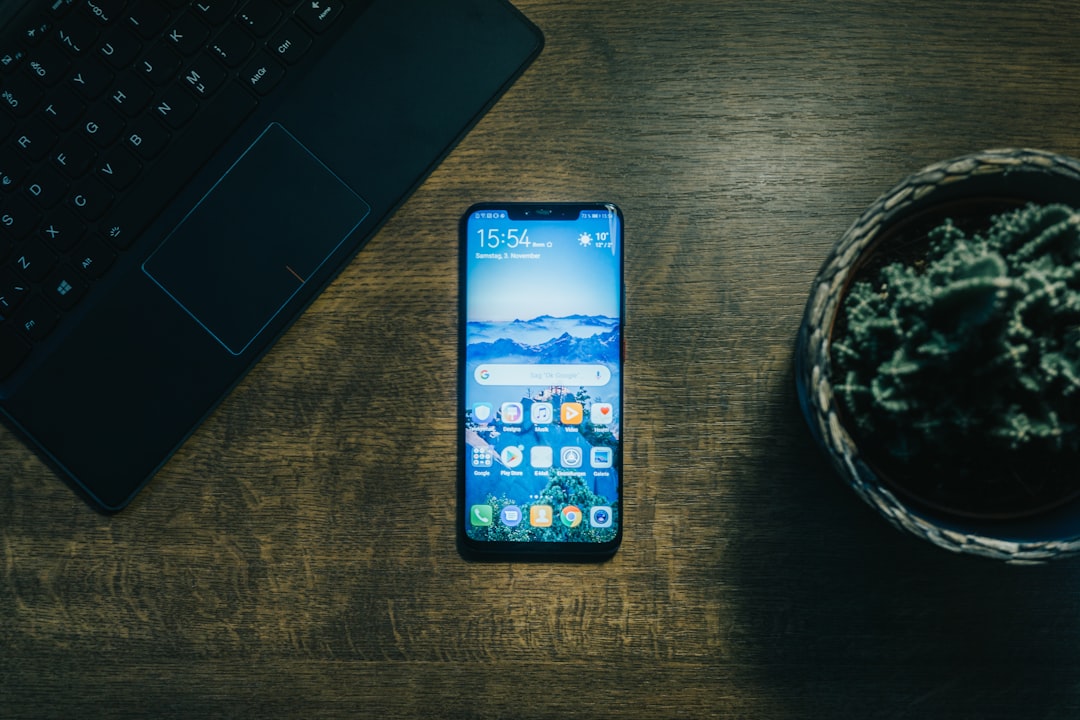
turned-on black smartphone beside laptop computer
Photo: Jonathan Kemper

It often happens that you send an important message in a chat, and it goes through instantly. But as soon as you attach a couple of photos or videos, the process "freezes," and the progress bar seems to get stuck. This is frustrating, but most of the time it is not a breakdown of the application, but rather the physics of data transmission. Let's look at why media files take longer to send than text and how to understand what is happening at that moment.

The truth about data weight: why media takes time

A text message is literally a few bytes of information. Sending it requires minimal effort from your smartphone and internet connection. With media files, it is different: a single high-quality photo weighs several megabytes, and a video can take up hundreds of megabytes. To send such a volume of data, the messenger needs to "break" the file into thousands of small packets, transmit them via the server, and "reassemble" them on the recipient's device. If the network is unstable, the transmission of these packets can drag on, causing a sending queue. That is why large files require a stable connection and a bit more processing time than short text replies.

In short: how to diagnose slow photo and video sending

If photos get stuck while sending, don't panic or delete the chat immediately. First, check your network status: sometimes, even with a Wi-Fi icon, the actual data transmission speed can be extremely low. If media files are stuck in the sending status for too long, try switching from Wi-Fi to mobile data or vice versa.

Also, check if there are any other active downloads at that moment, such as application updates or cloud service synchronizations, which take up all the available bandwidth. If the problem persists, it may be due to a temporary quality restriction in the app settings or specific conditions of your data plan. Sometimes a simple application restart, which resets hung transmission processes, helps.

Optimization and delivery transparency

For fast media sending, it is fundamentally important how the messenger manages your device's resources and network bandwidth. When you send a file, the application must consider the task priority so as not to "clog" the channel and allow text messages to pass without waiting in line. At PING, we emphasize a clear signal: the user should quickly understand what is happening in the conversation. Thanks to the optimization of compression algorithms and priority data transmission, even heavy files are sent with minimal delay, and delivery statuses are always displayed accurately and transparently. This helps avoid guesswork and unnecessary waiting, turning communication into a clear and predictable process where every byte works for the speed of your dialogue.

Additional context on the topic is provided in the article Why chat messages are duplicated after sending.

Frequently asked questions

Why does text send instantly while video stays in a sending status?

It is all about the data volume: a text message weighs a few bytes and is transmitted instantly, whereas video consists of megabytes of information. The messenger needs time to process and send such a volume of data, especially with an unstable internet connection.

Why is media upload freezing even if I have a stable internet connection?

A stable Wi-Fi indicator does not always guarantee high download speed. It can be affected by network load, background updates on your smartphone, or temporary outages on the internet service provider's side.

How does photo compression work during sending?

Messengers automatically reduce the resolution and weight of an image before sending. This is done so that the file uploads faster and does not consume excessive mobile data traffic.

Was this article useful?

Your feedback helps make PingBook more precise.

Share this article

Related articles

Следующие истории PingBook

All articles

How not to miss an important client message and avoid drowning in notifications

We examine why important messages from clients get lost in the general flow, how to build a contact filtering system, and why concentrating on a clear signal is the key to increasing conversion.

a white box with a black cord
Photo: Brunxs
How not to miss an important client message and avoid drowning in notifications

You open your messenger to reply to colleagues and see dozens of new notifications. Among them are personal chats, newsletters, and somewhere in the middle, a request from a potential client. While you reach it, you get distracted by something else, and an important lead slips down the feed. As a result, the client goes to someone who answered faster, and you lose profit.

Why important messages get lost

The main reason for missing messages is the lack of boundaries between personal and work spaces. When all types of correspondence are lumped together, the brain stops perceiving notifications as a signal to act. This creates "banner blindness": you see a pop-up window, reflexively swipe it away, and forget there was something important. A constant stream of messages turns communication into persistent stress rather than a tool for getting orders.

Building a filtering system for business contacts

The first step is to agree on communication rules. It is important to immediately designate exactly where you discuss work issues. Use archiving for secondary chats, leaving only active work channels "clean." A filtering system starts by removing the unnecessary from your field of vision. If a client writes in an inconvenient channel, politely suggest moving the dialogue to a more structured format.

Checklist for communication control

How do you not miss a message if there are many of them? Follow a simple algorithm:

  • First response rule: even if you are busy, send a short message: "I see your request, I will reply by [time]." This secures the contact.
  • Instant logging: do not rely on your memory. Immediately transfer the task to a planner or CRM system.
  • Prioritization settings: disable notifications for all chats that do not generate direct financial profit. Leave only those that require immediate attention.

These actions help turn a chaotic incoming flow into a manageable process and keep your focus.

How PING helps maintain focus

Communication tools directly affect reaction speed. At PING, we focus on a clear signal: the user should quickly understand what is happening in the correspondence. Instead of endlessly layering features, we concentrate on ensuring that important information does not get lost in the "noise." When a messenger is designed so that you are not distracted by extraneous elements, it becomes easier to set a work rhythm and respond quickly to new requests. Clear communication means no extra effort is needed to find the message you need.

Frequently asked questions

Should I use one account for my personal life and business?

Mixing personal and professional space is the main enemy of productivity. It is better to have clear boundaries so that work notifications do not drown in personal correspondence, keeping the focus on clients.

What should I do immediately after receiving a message from a new client?

Acknowledge receipt immediately, even if you are not ready to respond in detail. It is important to record the request in a CRM or task list, rather than relying solely on messenger notifications.

How can a messenger help in the fight against missing messages?

A messenger should be a tool, not a source of chaos. Choose apps without visual clutter that allow you to prioritize dialogues and quickly see the essence of the message.

PingBook

Следующие истории PingBook

How to Configure Your Messenger for an Outdoor Trip: A Stability Checklist

Is your family heading to the countryside where the internet only works via EDGE? Learn how to properly configure your messenger before you leave so you don't miss an important message while in the woods.

black smartphone showing white medication pill
Photo: CARTIST
How to Configure Your Messenger for an Outdoor Trip: A Stability Checklist

When you are planning to head to a summer cottage, go camping, or visit the mountains, the most important thing is the assurance that your family stays in touch. However, outside the city, the internet often operates at its limit, switching to slow modes like EDGE. In such conditions, even a simple message might spend hours stuck in the queue if the messenger is trying to simultaneously download heavy media files or background updates. To avoid finding yourself in a situation where you need to go up to the attic just to send a text greeting, you should prepare your smartphone in advance.

Messenger Preparation Checklist for Out-of-Town Trips

Preparation begins long before your departure. Follow these simple steps to ensure your messenger consumes minimal resources and prioritizes text:

  • Disable background activity: Prevent the messenger from updating data in the background. This not only saves battery life but also frees up internet bandwidth for important notifications.
  • Limit photo quality: In the app settings, select the "compressed" quality mode. Sending lightweight files is much faster even over an unstable mobile connection.
  • Check permissions: Disable geolocation access for applications that are not critical for your trip. This will reduce unnecessary network requests and extend battery life.
Chat Settings for Stable Performance

The main reason for "freezing" on a weak connection is the app's attempt to automatically download high-resolution videos or photos sent to you. Go into your messenger's settings and manually disable "auto-download media" for cellular data. Turning off this feature ensures that even with a poor internet connection, the text of an important message from loved ones will get through to you first, without waiting for heavy attachments to load.

When connectivity is unstable, the best rule is brevity. Text messages require a negligible amount of data compared to an image or a voice note. In poor connection conditions, try to avoid active group chats where dozens of people are sending files—they create unnecessary "information noise" and force your phone to constantly poll the network. If your internet is "flickering," do not attempt to send the same message repeatedly—it will only clog your outgoing channel. Just wait: modern algorithms are capable of sending data as soon as the connection becomes slightly more stable.

At PING, we focus on a clear signal: the user should quickly understand what is happening in their correspondence. Thanks to the app's lightweight architecture, text always takes priority over heavy elements, making it a reliable companion in places where networks function intermittently.

Frequently asked questions

Why is it better to disable image downloading entirely when the internet is weak?

When operating over EDGE, channel capacity is minimal. Disabling media auto-download clears the channel for text packets, which guarantees the delivery of important messages even with an extremely weak connection.

How should I phrase messages so they go through on the first try?

Try to write in bullet points. Short messages of a few words pass through an unstable network faster as they require less time for transmission and server delivery confirmation.

What should I do if a message stays in the 'sending' status for a long time?

The sending status means your phone is attempting to transmit a data packet, but the network is not providing a stable response. Do not panic and do not try to resend the file—wait until the indicator changes, or try to move to a location with better reception.

PingBook

Следующие истории PingBook

Local Data Processing: How to Protect Personal Information in Chats

We explore how local data processing on your smartphone helps protect your chats, save mobile data, and maintain communication stability in unstable networks.

a man holding a phone
Photo: Ed Chen
Local Data Processing: How to Protect Personal Information in Chats

Many are accustomed to trusting cloud servers with every action on their smartphone. It seems convenient: photos, documents, and chat history are always at hand. However, on the go or with an unstable internet connection, this model often fails. To better understand how to protect personal data in your correspondence, it is important to understand why shifting computations from remote servers directly to your device is becoming the new standard for privacy.

Why cloud storage is vulnerable with a weak internet connection

When a messenger constantly connects to a server to process every message or media file, any network fluctuation becomes an obstacle. In moments when connectivity is unstable, data "hangs" during transmission, increasing wait times. This creates inconveniences and risks: when transmitted over public networks, confidential information can be vulnerable to interception or incorrect processing on the server side.

How local processing improves privacy

Data localization means that your smartphone handles content processing itself. This provides three key advantages: privacy (data does not leave the device unnecessarily), data savings, and high performance. You do not need to wait for cloud synchronization to see important text, even if the internet is intermittent. Memory optimization technologies allow content validation to take place directly on the phone's processor, eliminating unnecessary intermediaries.

Checklist: what to check for security

If you want to feel more secure, pay attention to the following settings:

  • Download settings: Disable automatic media file downloads when roaming or on a weak connection. Let the text load first, and let heavy content wait for a stable Wi-Fi connection.
  • Data access: Regularly check which applications have constant access to your files and storage. Keep permissions only for the most essential tools.
  • Working on public networks: Avoid transmitting critical information over open Wi-Fi. Try to choose tools that rely as much as possible on a local database, without overloading traffic with requests to third-party services.
Your control over data

Privacy begins with how the messenger's architecture treats your data. At PING, we focus on a clear signal: the user should quickly understand what is happening in the conversation. Because the operating logic is focused on transmission efficiency and local interaction, the application helps maintain a stable flow of messages without "digital noise." This makes communication secure and predictable, even in difficult connection conditions.

Additional context on the topic can be found in the article Automatic photo and video download: how to save traffic in an unstable network.

Frequently asked questions

Why is local chat storage considered safer?

With local processing, files and message history are not duplicated on cloud servers unnecessarily, which significantly reduces the risk of leaks and unauthorized access.

How does local data processing affect internet data usage?

The application sends fewer requests to remote servers because most operations occur directly on the device, which directly reduces mobile data consumption.

Does local app functionality help with unstable connections?

With a weak connection, the device does not waste resources waiting for responses from the server, which improves the stability of sending text and makes the communication process smoother.

PingBook

Следующие истории PingBook