AI-First Technology and Cloud Computing: What Has Actually Changed for Users
The official AI-First Colab announcement is important not only for developers: it demonstrates how cloud tools are learning to maintain context and simplify long-running tasks. We break down what is confirmed, where caution is appropriate, and what to check in your account without panic.
Using the query site developers googleblog com 2026 communication privacy security, it is easy to find the latest official announcement, but its meaning for the average user is not always obvious. This is not about "AI magic for the sake of AI," but about how a cloud-based tool for working with code and data becomes faster, more flexible, and more convenient for long-running tasks. Google's official post about the fully reimagined AI-First Colab is published here: developers.googleblog.com.
It is important to separate fact from conclusion. Fact: Google is announcing a new AI-First approach in Colab. Conclusion: Such changes usually make working with large, long-running tasks more manageable, but they do not eliminate basic rules of privacy, access, and careful data handling.
Context is king: How AI agents change data workflows
The main idea behind such updates is not to force the user to write more, but to help them avoid losing context. When a task spans hours or is broken into several steps, a system that remembers where you left off, what you have already verified, and what needs to be done next is highly valued. This is the practical meaning of long-running AI agents in simple terms: they do not "think for you," but they maintain the thread of your work.
For the user, this is important for a very practical reason. People often abandon complex tasks midway because they have to recall logic from scratch, search for previous results, and check what has already broken. The benefits of using new technologies for tasks are evident here: less manual routine, less lost time, and fewer errors due to haste.
However, there is a common mistake: expecting an AI tool to do the work "without instructions." In practice, it is only useful when the task is clearly described and data is structured. Otherwise, acceleration turns into confusion.
Privacy and security in the era of cloud computing
Any cloud service raises the same question: where is the data, and who has access to it? This is a valid question, not a sign of distrust in the technology. To put it simply, the security of cloud resource access generally relies on three things: your account, access permissions, and the habit of not uploading unnecessary information.
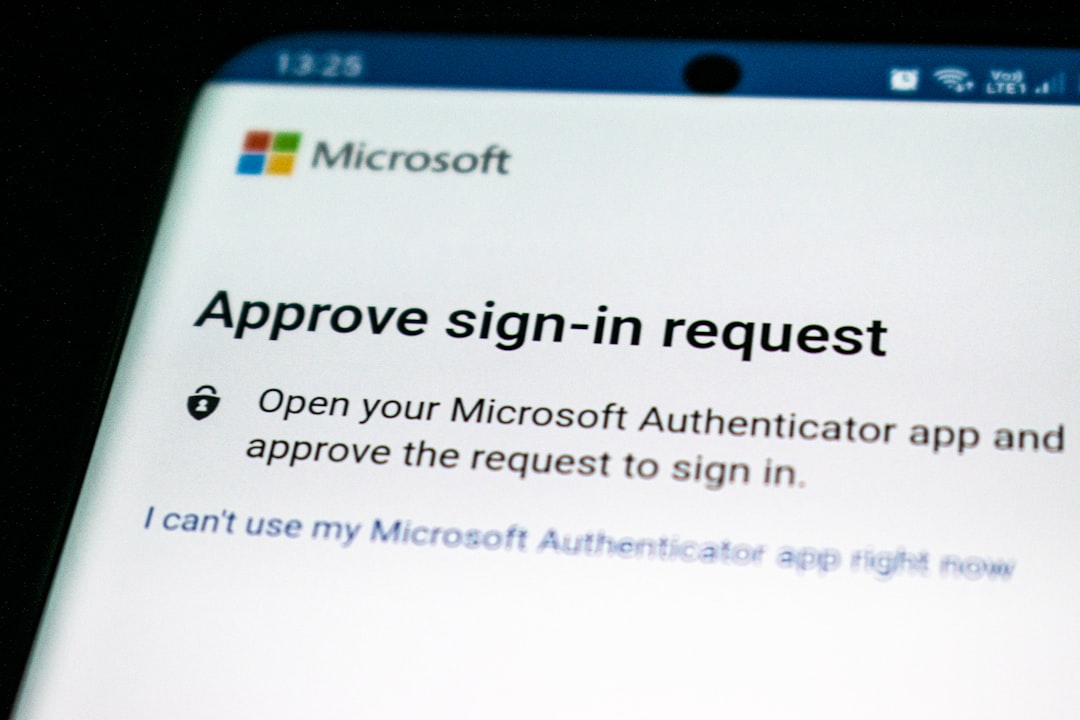
What you should check right now: is two-factor authentication enabled, are there any extra devices in the login list, are there any public links to old projects still open, and have any unnecessary files reached the cloud? How can you protect your data when using new features? First, restrict access, then share only what is truly required for work.
It is useful not to confuse different risk levels here. Professional cloud tools and personal communication are different scenarios. It is one thing to grant access to a work project; it is another to discuss personal matters in a chat. For chats, separate habits are important: checking who can see a message, how notifications are configured, and whether sensitive data is being forwarded out of habit.
The official announcement does not mean you urgently need to change all your settings. But it is a good reason to review basic account hygiene and avoid storing unnecessary files where they don't belong.
When complexity requires a clear signal
The most common problem with new technologies is not the complexity itself, but the explanation surrounding it. If someone hears many clever words but does not understand what has changed for them, unnecessary anxiety arises. Therefore, when discussing such news, clear communication in a messenger is especially valued: keep it short, to the point, without hints, and without overloading the recipient.
How do you discuss technology without confusion? It is better to stick to this format: what was released, why it is needed, what is already confirmed, and what is currently just a probable effect. This format saves time and reduces the risk of incorrect conclusions. At PING, we emphasize a clear signal: the user should quickly understand what is happening in the conversation. This is useful not only in personal communication but also when sharing news about complex products with colleagues, friends, or in a work chat.
In short: the news about AI-First Colab is important not because "everything has become smarter," but because cloud tools are increasingly taking on the burden of maintaining context and handling long technical routine steps. For the user, this means fewer unnecessary actions and more control—but only if the user themselves does not forget about access, data, and clear communication.
Security checklist for cloud account owners
- Check if two-factor authentication is enabled.
- Review active sessions and remove unnecessary devices.
- Restrict access to projects and folders based on the "need to know" principle.
- Do not store files in the cloud that are not necessary for work.
- Review public links and access permissions every few months.
- If sharing results in a chat, specify exactly what is important and what needs to be done next.
Such a checklist does not make life more complicated. On the contrary, it restores a sense of control. This is the main takeaway from the recent announcement: useful technology does not replace caution, but works well only when combined with it.
Read also
Frequently asked questions
How does the AI-First update in Google Colab affect the security of my personal correspondence?
It has no direct effect. This update concerns the cloud environment for working with data and tasks, not the rules or privacy of personal chats.
What are long-running AI agents and why have they become relevant in 2026?
This is an approach where the tool preserves the context of a long task and can continue working after a pause. The relevance has grown due to larger projects and the need to spend less time on repeated explanations.
Do I need to change my privacy settings after the announcement of new AI features from Google?
Not automatically. However, it is worth checking your access permissions, active sessions, and what data you are storing in the cloud in general.
Источники и первоисточники
- Fully Reimagined: AI-First Google Colab - Google Developers Blogdevelopers.googleblog.com
Was this article useful?
Your feedback helps make PingBook more precise.