How to safely collect money in a parent group chat: instructions for the parent committee

Organizing monetary collections in a parent group chat causes stress. We break down how to collect money safely, how to avoid scammers, and why transaction transparency is the key to the peace of mind of all class participants.

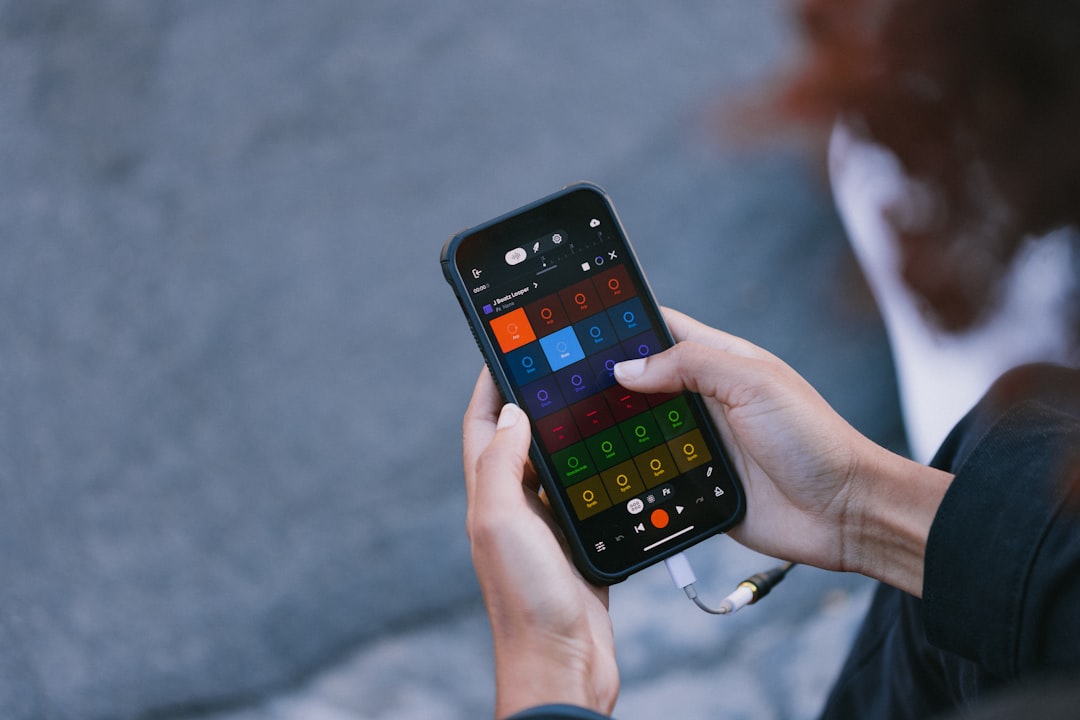
closeup photo of iPhone on MacBook Pro
Photo: Vivek Kumar

Collecting money in a parent group chat for a field trip or a gift often becomes a source of stress. Instead of discussing organizational matters, parents are forced to worry about data security and reporting transparency. Understanding how to collect money safely in a parent group chat is a basic digital hygiene skill today.

Transparent money collection: a step-by-step algorithm

The first rule of financial peace of mind is to separate processes. Do not discuss figures in a stream of emojis and homework assignments. The ideal scenario: first, the goal, total amount, and deadline are fixed in a pinned message. Only then does the responsible parent provide the payment method. Use official bank tools — "fundraising" features or transfers via a phone number linked to the account. This eliminates the need to send card details into the chat.

How to protect the group from scammers

Scammers take advantage of the hustle in general groups. To protect yourself, remember: no one should demand urgent payment via a link sent in private messages unless you have discussed it publicly. If a message appears calling for urgent contributions, always verify the recipient's number against the one agreed upon in advance. Suspicious accounts, hidden numbers, or unexpected private messages are reasons to be cautious.

Safety checklist

  • Record the goal and budget estimate in a pinned message.
  • Use official banking services for collection.
  • Regularly publish a report on incoming funds.
  • When paying for expenses, attach a photo or screenshot of the receipt to the chat.

When all participants see a transparent history, the number of questions is minimized. This allows not only for collecting funds but also for reaching an agreement on any issues. At PING, we emphasize a clear signal: the user should quickly understand what is happening in the conversation. Thanks to a clear organization of communication, you can pin important instructions so they are not lost in the general noise, ensuring the peace of mind of all group members.

Additional context on the topic is provided in the article How to agree on communication rules in a parent group chat.

Frequently asked questions

Why is it dangerous to just write a card number in a general chat?

Publishing a card number in a chat is unsafe because unauthorized people may see the data. It is better to use banking services for fundraising that generate a secure link or QR code for transfers without revealing your personal bank details.

How do you ensure everyone sees who has paid?

Create a separate list or table, the link to which can be pinned in the chat. After each transfer, the responsible parent must confirm the receipt of the amount in the chat so that every participant can check if their payment has been recorded.

What should you do if one of the parents refuses to contribute funds?

All agreements must be recorded in a pinned chat message in advance. If there are disagreements, the issue should be put to a vote or discussion before the collection starts so that the rules are clear to all participants from the very beginning.

Was this article useful?

Your feedback helps make PingBook more precise.

Share this article

Related articles

Следующие истории PingBook

All articles

Voice messages: when it is appropriate to send audio instead of text

We look at when it is appropriate to send a voice message, why they can violate personal boundaries, and how to build a communication culture so as not to create unnecessary digital noise.

black and white checkered textile
Photo: Artyom Kabajev
Voice messages: when it is appropriate to send audio instead of text

Voice messages have become a familiar part of our digital communication, but they often turn into a source of hidden stress. Imagine: you are in a meeting, on the subway, or simply trying to focus on a task, and a series of long audio files lands in your chat. A dilemma immediately arises: listen to them now, risking distraction, or postpone them, risking missing something important. To keep communication comfortable, it is important to remember that audio is a supplement to correspondence, not a full replacement for it.

Why voice messages often cause discomfort

The main reason for irritation is the violation of control over one's own time. A text message can be scanned at a glance in a second, highlighting the essence. This does not work with audio: you need to put on headphones or turn on the speaker, find a quiet place, and spend as much time as the sender decided. For the recipient, this often turns into forced content consumption, which contradicts the norms of digital communication. Many people feel uncomfortable when they are forced to listen to information that would be easier and faster to read.

When it is appropriate to send voice messages in work chats and personal correspondence

The question of when it is acceptable to send a voice message usually comes down to context. There are situations where audio is truly appropriate: for example, when you need to convey strong emotions or when you are driving and physically cannot type. Audio also helps if a complex thought requires intonational accents that are lost in text. However, in all other cases, audio is a violation of boundaries. Avoid voice messages in work chats unless you are sure the recipient is ready to accept them. If you are not sure, it is better to choose a text format.

How to record voice messages politely: a checklist of rules

To avoid turning correspondence into chaos, follow simple rules:

  • Warn the recipient if the message is truly important and long.
  • Keep it concise: try to stick to 30–60 seconds.
  • Avoid audio in noisy places where the voice will be barely audible over the background hum.
  • If possible, attach a short text summary so the recipient understands what it is about.

Remember that politeness is, above all, respect for another person's resources and time.

A clear signal is the best way to communicate

The secret to calm correspondence lies in predictability. If you value your time and the time of your colleagues, try to structure your thoughts. At PING, we emphasize a clear signal: the user should quickly understand what is happening in the conversation. This helps avoid unnecessary clarifying questions, reduces the general level of digital noise, and makes communication productive. Communication tools should help us stay in touch, not create new reasons for anxiety or inconvenience.

Additional context on the topic is provided by the article Digital etiquette: how to properly use mentions in a chat.

Frequently asked questions

How can I politely clarify if I can send a voice message?

The best way is to write a short text: "I have a question about the project, can I send it as a voice note?". This is a sign of respect for the recipient's schedule and current workload.

Why can voice messages in business correspondence be annoying?

Audio is inconvenient because it cannot be quickly scanned with the eyes, it cannot be listened to in silent mode during a meeting, and it requires diverting attention from current tasks to fully immerse oneself in the context.

When is it acceptable to send a voice message?

A voice message is appropriate if you need to convey important intonations, describe complex emotions, or when you are driving, but it is important to make sure the recipient does not mind this format.

PingBook

Следующие истории PingBook

How to answer messages during work hours without feeling guilty

We explain why the expectation of an instant response in chats harms productivity and how to build boundaries so you can answer messages calmly, without feeling guilty.

three people using laptops while sitting on a ladder
Photo: Quilia
How to answer messages during work hours without feeling guilty

Modern workdays often turn into an endless race against incoming notifications. Every popping icon is perceived as a demand to drop everything and respond immediately. This noise creates a false sense that productivity is measured by response speed rather than the quality of work performed. In reality, constant context switching only steals precious time and causes unnecessary tension.

Why we fear delaying our responses

Feeling guilty about not responding immediately is not a sign of professionalism, but rather a result of a habit of constant availability. Many employees mistakenly believe that if they do not respond within a minute, it will affect the success of a project. However, in reality, most work questions do not require a reaction here and now. Anxiety arises when we confuse urgency with importance, trying to meet colleagues' expectations even if it hinders priority tasks. The etiquette of responding to work messages should be based on respect for everyone's time.

How to prioritize your correspondence

Learning not to react to every signal is an important skill for maintaining mental health. Try a simple "traffic light" method for evaluating incoming messages:

  • Red: The question concerns a missed deadline or a serious incident. Requires immediate attention.
  • Yellow: The request is important but can wait until your current task is completed. Indicate the time when you will return with an answer.
  • Green: A reference question that does not affect current processes. Respond during specially designated times.

This way, you can answer messages during work hours more mindfully without turning communication into a source of stress.

Ready-made polite response scripts

Often the fear of silence is linked to the sender feeling ignored. A short clarification is enough to relieve tension:

  • "I see your request. I am busy with an important task now and will get back to you in an hour."
  • "Thanks for the information! I will study it in more detail at the end of the day and write you the summary."
  • "This question requires discussion, let's pin it in the planner so I don't forget."

Such phrases show that you value communication but keep your focus on work.

How to make team communication predictable

To create a healthy atmosphere, you need to agree on the rules from the start. Discuss with colleagues which channels are used for emergency situations and which are for regular work. At PING, we emphasize clear signals: a user should quickly understand what is happening in the conversation. Tools that help structure dialogue and remove unnecessary noise make communication transparent and calm. Building a culture where substance matters more than notification frequency is the best way to protect the personal time of all team members.

Additional context on the topic is provided in the article Digital Etiquette: How to correctly use mentions in a chat.

Frequently asked questions

Is it mandatory to answer work messages instantly?

An instant response is not a synonym for productivity. Most tasks require concentration, so it is worth separating urgent questions that require immediate action from regular work discussions that can wait.

How can I politely tell a colleague that I will answer later?

The best way is to politely indicate the time of your answer. For example: "I see your message, I am busy with another task now and will get back to you in an hour." This relieves tension for the sender.

What should I do if the company expects responses to messages even outside of working hours?

Communication culture is formed through team-wide agreements. Suggest discussing communication rules: for example, set aside "quiet hours" or define which questions are considered urgent and deserve notification outside of working hours.

PingBook

Следующие истории PingBook

Why the battery drains quickly with a poor internet connection: Understanding the reasons

Notice your charge draining while on the road? We look at why a weak signal forces your phone to work at its limit and how messenger settings can help you save energy.

a white laptop computer sitting next to a cell phone
Photo: 2H Media
How network searching works and why it drains your battery

Many people notice that their phone loses battery faster than usual when traveling or in areas with poor reception. The first suspicion often falls on messaging apps, as it seems they are constantly trying to download messages. However, the reason lies in the physics of how a smartphone functions.

When the internet is unstable, the radio module switches to high-power mode. It constantly scans the area looking for a stable signal from a base station. This process is very energy-intensive. The phone operates at its limit to maintain the connection, which is why your battery drains quickly when the internet is poor. The app itself is merely waiting for data that cannot reach the device due to external obstacles.

The impact of an unstable signal

Constantly switching between Wi-Fi and cellular networks is another significant energy consumer. While traveling, your phone is forced to evaluate the quality of available networks. If the internet drops and reconnects, the radio module re-initiates the data exchange procedure every time. Due to this behavior, the smartphone not only loses battery charge but can also heat up noticeably.

Users often encounter communication delays precisely at these moments. Most often, the problem is not in the software, but in the fact that the data flow is interrupted by the physical absence of a "clear" communication channel.

Network request optimization

To avoid unnecessary load on the battery, how an application handles requests is crucial. Many programs try to "break through" weak internet with endless synchronization attempts. At PING, we focus on a clear signal: the user should quickly understand what is happening in the conversation. Thanks to algorithm optimization, PING reduces the number of background requests and does not perform heavy synchronization until the connection becomes stable. This saves device resources and prevents battery depletion from futile attempts to reach the server.

Checklist: Conserving phone battery while traveling
  • Limit background activity: In settings, you can temporarily disable data transmission for apps that do not require an instant response.
  • Use Airplane mode: If you are in a dead zone, turning on Airplane mode for 10–15 minutes will save your battery from attempts to find a non-existent network.
  • Monitor temperature: If your phone becomes hot, it means it is trying to connect to the network at maximum power. Turn off data transmission and let the device cool down.
  • Prioritize Wi-Fi: Whenever possible, use a stable Wi-Fi connection, as searching for a signal in this mode is less energy-consuming than struggling for a mobile tower.

For additional context on the topic, see the article Why a voice message doesn't play with a weak internet connection.

Frequently asked questions

Why does my phone heat up when I'm traveling?

This happens because your smartphone's radio module is constantly scanning the area looking for a base station. The worse the signal, the more energy the processor spends trying to maintain the connection.

Can a messaging app drain the battery by itself?

The application only waits for a response from the server. If the connection is unstable, system data transmission processes become 'heavy,' forcing the radio module to work at full power.

How can I save battery while traveling?

In areas with poor reception, use Airplane mode or temporarily turn off mobile data. This will stop the phone's futile attempts to capture a network, which drain the battery the fastest.

PingBook

Следующие истории PingBook