
Why a person does not reply for a long time in a chat and it is not obvious right away
Why a person does not reply for a long time in a chat and it is not obvious right away: a calm breakdown of the reasons, a quick checklist, common mistakes, and gentle ways to follow up without pressure.
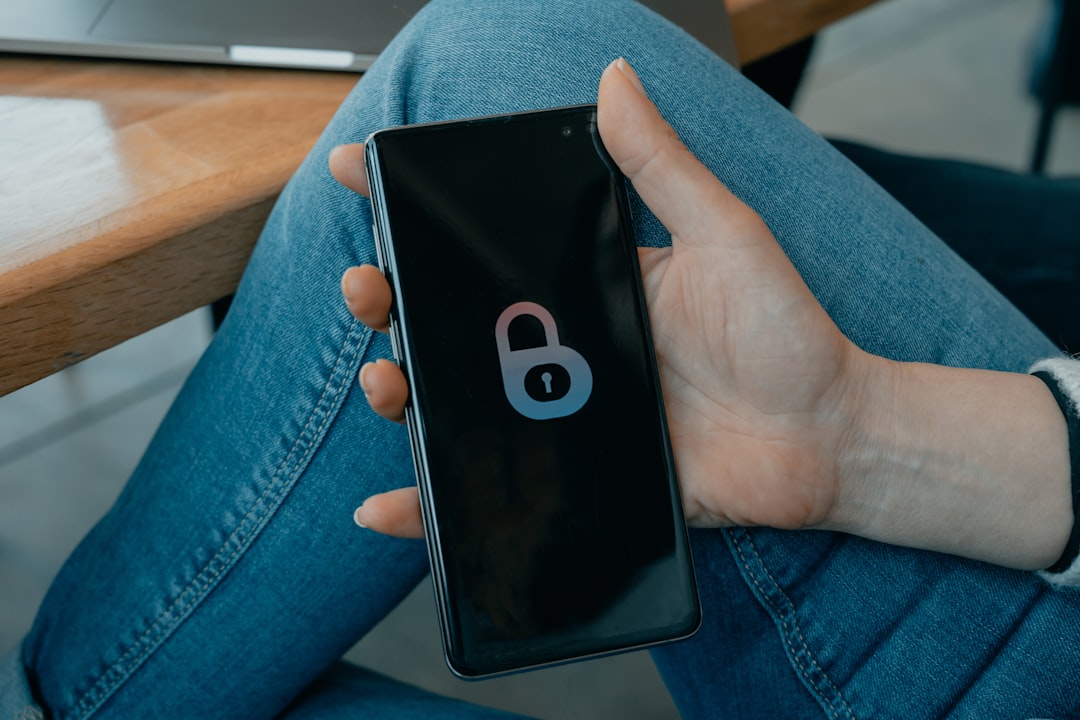
Why a person does not reply for a long time in a chat and it is not obvious right away is a question almost everyone knows. The message is sent, but there is silence in response. Minutes stretch into hours, and the mind fills in the story: “I’m being ignored,” “something is wrong,” “I wrote at the wrong time.” But a pause in chat does not always mean a lack of interest in talking.
This is especially noticeable now: people have different daily rhythms, connection is often unstable, notifications can arrive late, and a chat is opened not when the message was received, but when the person finally has time to pick up the phone. Because of this, an ordinary everyday pause looks like a personal rejection.
Why pauses in replies are more noticeable now
In the past, silence in a chat was more often explained simply: the person was unavailable. Now connection seems to be always within reach, and that is exactly why waiting feels more anxious. If a message has already “gone through,” it seems that a reply should appear almost immediately. In practice, that is not the case.
The delay may not be in the reply itself, but in the delivery and display of new messages. It is useful to remember this when it seems that the other person “saw it and is silent.” Sometimes the issue is not the attitude, but the fact that notifications arrive late, and the person simply has not noticed your text yet.
What may be hiding behind silence in chat
Silence in a chat usually has ordinary reasons. The most common are being busy, being on the move, poor connection, sound turned off, “Do not disturb” mode, fatigue, or simply being overloaded with tasks. A person may have glanced at the message and put the reply off until evening. They may have opened the chat between meetings and not had time to formulate a proper answer.
There is another possibility: new messages are not visible right away because of an unstable network or the way the phone works. Then it seems that the other person is staying silent on purpose, even though they themselves see the chat with a delay. If you want to understand the technical side specifically, take a look at why message notifications arrive without text — it clearly shows what such a delay looks like from the phone’s side.
Quick checklist: wait, clarify, or check the connection
If no reply is coming, do not rush to conclusions. First, check the simple things:
- whether your wait may simply be too short for this person;
- whether you are writing at an inconvenient time;
- whether the other person may be on the move or in a meeting;
- whether this looks like a systematic message delay;
- whether the pause repeats every time in the same scenario.
If new messages appear with a delay instead of immediately, that starts to look less like a personal story and more like a technical one. In that case, it is useful to calmly check what happens when a message is sent but not delivered. This helps distinguish a one-time delay from a connection problem.
A simple rule of thumb: if a person usually replies quickly and is now gone for a while, they are most likely just busy. If silence repeats on the road, in the evening during rush hour, or with a weak signal, the reason may be connection availability, not their attitude toward you.
Which mistakes most often make the hurt worse
The most common mistake is to infer meaning before facts. We see a pause and immediately translate it into feelings: “I’m not important,” “they are avoiding me,” “they do not want to talk to me.” But chat does not convey context well. It does not show whether the person is in a meeting, on public transport, whether their phone ran out of battery, or whether they are simply tired.
The second mistake is to write again with reproach too soon. A short “well?” or “where are you?” can sometimes sound like pressure, even if that was not your intention. The third is to start a long chain of follow-up questions, where each new message only adds more pressure to the other person and to yourself.
This is where digital etiquette and boundaries matter: do not demand an immediate reply where one may objectively not be possible. Calm chat is almost always read better than anxious chat.
What to do in different waiting scenarios
If the person is on the move or the connection is unstable, it is better to give them time. If you need a reply urgently, send one short follow-up without accusation: “When you have a chance, please take a look — this is important.” That way you are not blaming them, but you are stating priority.
If the message is truly critical, duplicate it only when that is justified by the context: for example, when the deadline is close or the issue needs a decision right now. In other cases, it is better to wait and not escalate anxiety.
If you suspect that the person simply did not notice the message, you can check whether they had similar delays before. Sometimes this is just the usual rhythm of communication, not a reluctance to reply. Similar situations are also easy to analyze in general chat: for example, when important messages get lost in the flow, the material why a new message is not visible right away in a group chat helps.
How to remind them without pressure
The best follow-up message is short, clear, and free of judgment. A format like this works well: “Just a reminder about my question. When you have a minute, please take a look.” Or: “If now is not convenient, we can come back to this later.” These phrases show respect for the other person’s time and do not create the feeling that you are demanding an immediate response.
If the topic is important but not urgent, you can simply set the frame: “It’s not urgent, but I’d like to understand by evening.” That reduces tension and helps the other person choose a moment to reply without extra pressure.
At PING, we focus on a clear signal: the user should quickly understand what is happening in the chat. And in real communication it works the same way: the clearer the message, the fewer reasons there are for unnecessary guesses.
Conclusion: a pause does not always mean ignoring you
If a person does not reply for a long time, it is not necessarily about coldness or unwillingness to communicate. Often the reason is much simpler: being busy, being on the move, weak connection, opening the chat later, or just a different rhythm of the day. The less we fill in the blanks ourselves, the calmer the conversation becomes.
Keep a simple sequence in mind: first check the context, then technical reasons, and only then draw conclusions about the meaning of the silence. That way you protect both your nerves and the relationship.
If you need extra support, you can also revisit why notifications arrive late and build the full picture: sometimes silence in chat is just a delay, not an answer to your message.
Read also
Frequently asked questions
Does a person not replying for a long time always mean they do not want to communicate?
No. A pause by itself is not the same as ignoring you: the person may be busy, on the move, without connection, or simply replying later.
How long can you wait for a reply before writing again?
Use the context as your guide. If it is normal communication, you can wait a few hours or until the end of the day. If the question is urgent, send a reminder earlier, but calmly.
How can you tell whether the delay is caused by connection rather than by how they feel about me?
Look at repetition. If delays happen on the road, with a weak signal, or at the same time, the reason may be technical or everyday, not personal.
What should you write if you need a reply but do not want to apply pressure?
Keep it short and without reproach: “When you have a minute, please take a look” or “Let’s come back to this later when it’s convenient for you.”
Was this article useful?
Your feedback helps make PingBook more precise.