Why message notifications arrive without text

Why message notifications arrive without text: a breakdown of the causes, a quick check checklist, and a calm action plan. We explain when the text is hidden on purpose and when the problem is a delivery delay.
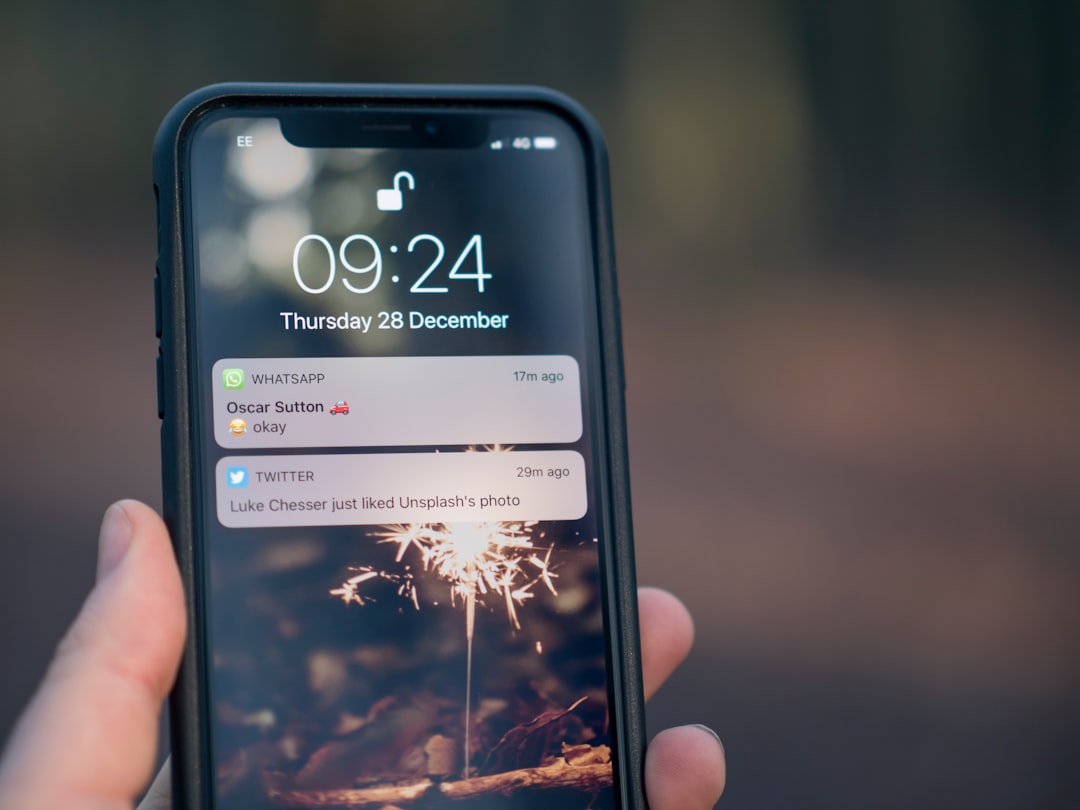
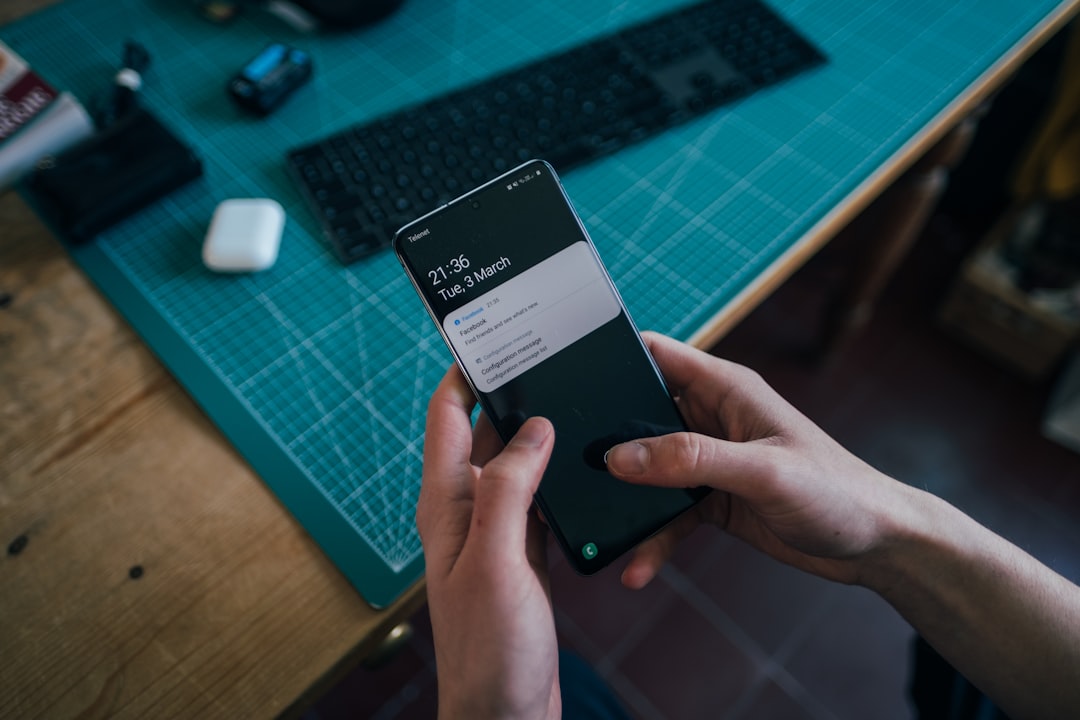
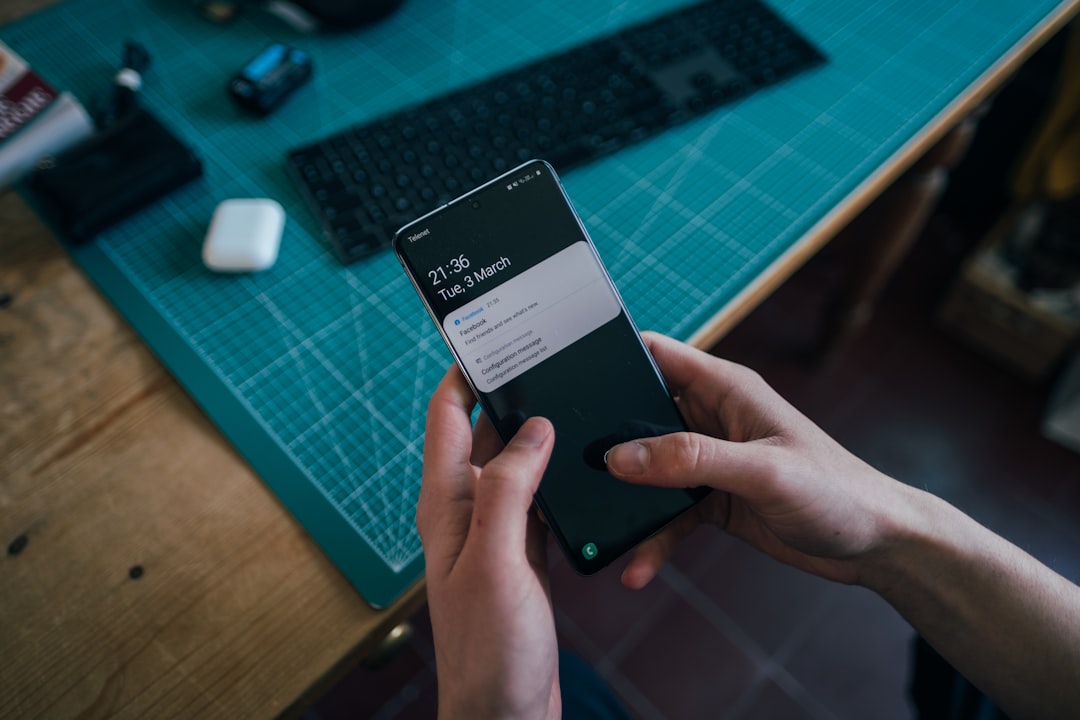
person holding phone
Photo: Jamie Street

If why message notifications arrive without text is your question today, you’re not alone. Often it’s not a malfunction but a privacy setting: the phone hides the content on the lock screen so others can’t see your conversation. Sometimes the text disappears after a system update, a mode change, or an accidental tap in settings.

The good news is simple: in a couple of minutes, you can tell whether the text is intentionally hidden, being cut off by settings, or the message is simply arriving late. No panic, no long searches.

Why messages appear without text on the screen

Usually there is more than one reason. The device may show only the sender’s name and the fact that something happened if hidden preview, content protection on the locked screen, or a mode that conceals notification details is enabled. After updates, these settings sometimes change without being noticed.

There is another scenario too: the message has already been delivered, but only a short line appears on the screen without details. That makes it seem as if the phone is not showing new messages right away, even though they arrived on time.

Quick diagnosis: 5 checks in a minute

  1. Look at the lock screen: is any text shown there at all.
  2. Open settings and check message previews.
  3. Look for privacy, focus, or “do not disturb” modes.
  4. Check whether content display is disabled for a specific app.
  5. Compare behavior on the locked and unlocked screen.

If you need a basic starting point, first check the general system settings: notification display, lock screen access, and app permissions. That is faster than hunting for a rare cause directly in the conversation.

When the text is hidden, and when the message really arrives later

It is important not to mix these up. If the alert appears on time but without text, the issue is display. If it only arrives after opening the app, the cause is more often background restrictions, power saving, or an unstable connection. In that case, the content is not hidden — it is delayed.

A typical example: a person sees only blank pushes all day, then opens the app in the evening and finds several new messages at once. In that case, delivery delay and background operation are checked separately.

Common settings mistakes that make text disappear

The most common mistake is assuming the cause is the same on every device. In reality, one place has preview hidden, another has the screen locked, and a third has a separate setting for a specific app. Another common reason is that privacy mode is enabled on purpose, but simply forgotten.

Sometimes the user looks for the problem only in the app itself, when the issue is the phone’s system behavior. Some devices hide content on the locked screen by default until you allow text display manually.

What to do: bring the text back or keep it hidden

If you want text in notifications, check previews, the lock screen, and privacy settings. If peace of mind and personal data protection matter more, you can leave everything as is — that is a normal mode, especially when there are other people nearby.

The main thing is to choose the behavior consciously. There should not be a situation where you keep wondering why an empty message arrives even though you did not change anything.

In Ping, we focus on a clear signal: the user should quickly understand what is happening in the conversation. That helps not only with faster replies, but also with calmer control over what is visible on the screen.

If some other notifications disappear along with the text, check sound, silent modes, and delivery delay. Sometimes these symptoms go together: first the phone hides the content, then the message itself starts arriving late.

It is also useful to look at related materials on the topic: how to turn on notifications on the phone, why they arrive late, and what to do if notifications arrive without sound. That helps separate screen settings from a general delivery problem.

PING block: how to leave only the signal you need

If you want short, clear notifications without noise or extra details, it helps to set them up so you do not have to guess from fragments of text. When the signal is clear, replies come faster, and conversations are less tiring.

That is why calm notification setup is not a small thing, but part of convenient digital life. Check once what is shown on the screen, and then you no longer get distracted by accidents.

Short conclusion

If messages arrive without text, first check previews, the lock screen, and privacy modes. If the content is hidden on purpose, that is normal. If the message arrives only after opening the app, look for delivery delay and background restrictions. No need to panic: in most cases, the problem is solved in a few minutes.

Frequently asked questions

Why do message notifications arrive without text?

Most often, the text is hidden because of lock screen settings, preview settings, and privacy mode. Sometimes this is enabled after a system update or changed accidentally in the app settings.

What should I check first if text in a notification is not shown?

First, check the lock screen, message preview, silent modes, and the settings for the specific app. These are the most common places where text is hidden.

Is this a notification problem, or are the messages arriving later?

If the alert arrives on time but without text, the issue is display. If it appears only after opening the app, there is probably a delivery delay or background restriction.

Can I keep notifications without text only for some apps?

Yes, usually you can. You can keep text visible for one app and hidden for another. That is useful if some messages should be seen immediately while others are better hidden.

Where should I look if some other notifications disappear along with the text?

First check preview, the lock screen, sound, and delivery delay. If several types of alerts are affected at once, the issue may be in the phone’s general settings.

Was this article useful?

Your feedback helps make PingBook more precise.

Share this article

Related articles

Следующие истории PingBook

All articles

Notifications arrive without sound: what to do

Why notifications arrive without sound and what to check first: phone modes, volume, focus, battery saving, and app settings. A simple no-panic checklist.

person holding black android smartphone
Photo: Jonas Leupe
Notifications arrive without sound: what to do

If notifications arrive without sound what to do is not a theoretical question. A missed courier call, a reply from a loved one, a verification code, an urgent work message — all of this is easy to miss when the phone stays silent at the exact moment you need it. Today the problem is more common: people turn on focus modes, battery saving, disable extra alerts, and then do not notice that important notifications have become quiet or disappeared altogether.

Below is a calm, no-panic breakdown: what usually breaks sound, what to check first, and where people most often go wrong.

In short: what most often blocks notification sound

Most often the reason is simple: silent mode is on, notification volume is too low, Do Not Disturb is active, a focus mode has kicked in, or the app has been given overly strict restrictions. Sometimes the sound is there, but it is turned off only for a specific app.

If notifications arrive without sound, do not start by reinstalling everything. First check the basics: phone mode, volume, permissions, and the app’s background behavior.

Why notifications started arriving quietly or without sound

Today a phone does more than ring and show a banner. It decides for itself what counts as important and what can wait. Because of this, why notifications are not heard on the phone is no longer just a sound question, but also a question of how the system works.

Background restrictions, battery saving, separate notification channels, lock screen settings, and privacy settings all affect this. After updates, some parameters may reset or change without you noticing. As a result, push notifications arrive, but without a sound signal — and it feels as if the phone has “broken.”

Checklist: what to check on the phone first
  1. Check the sound mode. The phone may be in silent mode or set to the minimum volume specifically for notifications.
  2. Turn off Do Not Disturb. This mode often mutes everything except selected calls and alerts.
  3. Check focus or sleep mode. They can quietly disable alerts at night, during meetings, or while traveling.
  4. Check vibration. Sometimes sound is off and vibration is not set either — then a notification is easy to miss.
  5. Open the app’s own settings. Sound may be disabled there, or a very quiet alert type may be selected.
  6. Send a test notification. This is the easiest way to tell whether the issue is system-wide or limited to a specific app setting.

If you want a practical starting point, first read How to turn on notifications on your phone: a simple guide — it breaks down the basic check path in a useful way.

If messages arrive only when I open the app

This is a common situation. The user does not see a live alert, but rather a “catch-up” delivery: open the app — and notifications immediately start pouring in. Usually the reason is that the system has limited background activity or the app has been pushed too aggressively into battery saving.

This is especially noticeable after updates: permissions change, background processes become stricter, and notifications may disappear after an app update not completely, but selectively. Then it seems that everything works except the most important part — timely alerts.

If why messages arrive only when I open the app is your case, check background permission, battery optimization, and the app’s notification settings. Sometimes it is enough to remove an extra restriction and restart the phone.

Common mistakes that make sound disappear

Here is what people do most often:

  • turn on call sound but forget notification sound;
  • leave Do Not Disturb active after work or overnight;
  • do not notice that sound is turned off separately for one app;
  • assume the lock screen will show everything important, although this depends on settings;
  • do not recheck permissions after an update.

If the phone does not show notifications on the lock screen, it is not always a failure. Often it is just a separate privacy setting: banners are hidden, but the notifications themselves still arrive quietly or only in the notification shade.

How to restore notification sound in 5 steps
  1. Disable the interfering mode. Check Do Not Disturb, focus, and silent profile.
  2. Raise notification volume. Not the overall volume, but the one that controls alerts.
  3. Check the app settings. Make sure sound is enabled there and a normal alert type is selected.
  4. Allow background activity. Especially if notifications arrive late or only after opening the app.
  5. Restart the device and test again. This helps if the system froze after an update or mode change.

If the sound still disappears after that, the problem is no longer one setting, but a combination of settings. Then it helps to return to the basic checklist and go through it calmly, without rushing.

PING block: when a clear signal and a fast reply matter

At PING, we focus on a clear signal: the user should quickly understand what is happening in the conversation. This matters especially when a notification is not just a sound, but a way not to miss an agreement, a reply, or a deadline.

When communication is easy to follow, there is less chance of missing an important message and more chance of replying on time.

What to do next if the sound still does not return

Save this checklist and check your phone today, before the problem becomes a habit. If the issue looks more like a delay than a sound problem, read Why notifications arrive with a delay: main reasons. If you use an iPhone, see Why notifications do not arrive on iPhone: main reasons. If you want to understand whether a message went through and where a reply got stuck, this will help: What the sent, delivered, and read statuses mean in messages. And if you want to quickly check whether the issue is related to account access, it is useful to see How to sign out of your account on all devices.

The main thing is not to look for one “magic button.” In most cases, the sound comes back after calmly checking 3–5 settings.

Frequently asked questions

Why do notifications arrive without sound?

The most common causes are silent mode, low notification volume, Do Not Disturb, focus mode, battery saving, or separate app settings.

What should I do if notifications arrive without sound?

First check notification volume, phone modes, app permissions, restart the device, and send a test notification.

Why do messages arrive only when I open the app?

Usually the app is restricted in the background, and the system delays push notifications until the app is opened.

Why does the phone not show notifications on the lock screen?

This is often a separate lock screen or privacy setting, not a phone malfunction.

Why can’t I hear notifications on the phone even though the sound is on?

Because call sound and notification sound are set separately, and the app itself may have its own alert settings.

PingBook

Следующие истории PingBook

How to turn on notifications on your phone: a simple guide

A simple guide on how to turn on notifications on your phone: for apps, messages, SMS, sound, and the lock screen. We explain the common reasons alerts do not arrive or arrive late.

person holding white Android smartphone in white shirt
Photo: NordWood Themes

How to turn on notifications on your phone is usually something you can fix in a couple of minutes once you know where to look in the settings. Notifications help you avoid missing messages, calls, verification codes, and important updates. If they are not coming through, the cause is usually disabled permissions, silent mode, battery saving, or the app’s own settings.

Below is a simple guide: first we’ll check app notifications, then go over messages and SMS, sound, the lock screen, and common reasons for delays.

How to turn on notifications for an app on your phone

If you are looking for how to turn on app notifications on your phone, start with the system settings. On most phones the path is similar: open SettingsNotifications → choose the app you need. If the toggle is off, turn it on.

It’s worth checking a few things at once:

  • whether notifications are allowed at all;
  • whether pop-up alerts are disabled;
  • whether badges on the app icon are allowed;
  • whether the app is restricted from running in the background.

If the app still does not show alerts, open its own settings too. Sometimes messages, reminders, and system notification permissions are enabled there separately.

How to turn on message and SMS notifications on your phone

If messages are not coming through, it is important to check not only the system, but also the messaging app itself. For the query how to turn on message notifications on your phone, the logic is simple: first open the app settings, then make sure notifications are enabled for chats, private messages, and groups.

To understand how to turn on SMS notifications on your phone, check the SMS app. It usually has separate options for new messages, sound, vibration, and on-screen display. If notifications are hidden, they may still arrive, but you won’t see them in time.

If SMS messages arrive but the phone stays silent, check:

  • whether notifications are enabled for the messaging app;
  • whether pop-up windows are disabled;
  • whether Do Not Disturb is on;
  • whether background data access is allowed.
How to turn on notification sound on your phone

Sometimes alerts are there, but you can’t hear them. Then you need to figure out how to turn on notification sound on your phone. First check the overall sound: whether silent mode is on and whether notification volume is too low.

Next, open the sound settings and see whether the correct notification ringtone is selected. Check vibration separately: sometimes it is turned off, and it seems like there are no alerts at all. If you want the phone to be more noticeable, turn on both sound and vibration.

It’s also useful to open the settings for a specific app. In some services, sound can only be enabled inside the app itself, not in the phone’s general settings. This is especially important if one app makes noise and another stays silent.

How to turn on notifications on the phone screen

To avoid missing messages, it is important not only to hear them, but also to see them. If you are looking for how to turn on notifications on the phone screen, check the lock screen and banners.

Usually you need to open SettingsNotifications → choose the app and allow notifications to be shown on the screen. Also check the lock screen settings separately: sometimes notifications arrive, but are hidden completely or shown only after unlocking.

If banners are turned off, you may miss important messages even when the phone is nearby. For convenience, enable lock screen display, brief pop-ups, and app icon badges — this makes notifications more visible.

Why notifications do not arrive or arrive late

If you have already turned everything on but the problem remains, it’s worth understanding why notifications are not coming to the phone. Most often it comes down to one of three factors: poor network, battery saving, or background limits.

Check a few things:

  • whether the internet connection is stable;
  • whether power saving mode is on;
  • whether the app is allowed to run in the background;
  • whether mobile data is restricted for this app;
  • whether the phone storage is full.

If notifications are delayed, what should you do? Start by restarting the phone and checking for system and app updates. Sometimes it helps to turn notifications off and back on again and remove unnecessary background restrictions.

When push notifications do not arrive, the cause is often background restrictions. The phone may save battery and “freeze” the app, which makes messages arrive late.

How to avoid missing important messages in PING

When you need to see important messages quickly, a simple and clear notification setup without extra noise helps. In PING, you can заранее leave only the signals you need so you don’t lose important updates in the flow of less important ones.

In PING, we focus on a clear signal: the user should quickly understand what is happening in the conversation.

If you are setting up work or personal chats, check which notifications are really important and turn off the rest. That makes it easier to stay focused and respond faster to what needs attention.

Frequently asked questions

How do I turn on notifications for an app on my phone?

Open your phone settings, go to the notifications section, choose the app you need, and turn notifications on. Then check the app’s own settings.

How do I turn on message notifications on my phone?

First enable notifications in the messaging app, then check the phone’s system permissions and background restrictions.

How do I turn on notifications on the phone screen?

Allow notifications on the lock screen and enable banners or pop-ups in the phone settings.

Why are notifications not coming to my phone?

Most often the problem is power saving mode, a weak network, disabled permissions, or app background restrictions.

PingBook

Следующие истории PingBook

Why Notifications Arrive with a Delay: Main Reasons

We explain why notifications arrive with a delay, what prevents them from appearing right away, and how to quickly check your phone and app settings so messages arrive on time.

Hand holding smartphone with blank screen indoors
Photo: Jakub Żerdzicki

Why notifications arrive with a delay is a question that usually takes more than one action to solve; it requires checking several settings. Most often, the cause is battery saving, background app restrictions, weak connectivity, or Do Not Disturb mode. The good news is that you can find the reason with a simple checklist.

If notifications started arriving later than usual, do not rush to delete the app or reset your phone. First, check the basics: whether there is a network connection, whether notifications are enabled, whether power saving is interfering with the system, and whether it is putting the needed app to sleep.

Why notifications arrive with a delay

When why notifications arrive with a delay is the main question, the cause is usually one of several. Sometimes the notification is sent on time, but the phone shows it later. Sometimes the app gets limited in the background and cannot reach the system right away.

The most common causes are simple:

  • weak or unstable internet;
  • restrictions on the app’s background activity;
  • power saving mode;
  • notifications turned off in phone settings;
  • Do Not Disturb mode or similar system scenarios;
  • an outdated app or a failure after an update.

If you do not receive a message notification on your phone, that does not always mean the problem is with the service itself. Often the phone simply decided to save battery and postponed the alert delivery.

What on the phone prevents notifications from arriving right away

Even with good internet, notifications may not appear on time. This is especially noticeable when notifications arrive only when I open the app. This is a typical sign that the system lacks permissions or is limiting the app’s background activity.

Check these settings:

  • whether notifications are allowed for the app;
  • whether Do Not Disturb is enabled;
  • whether background data is restricted;
  • whether battery saving is active for the specific app;
  • whether notifications appear on the lock screen;
  • whether sounds and banners for important events are disabled.

If it seems that why the phone does not show notifications on the screen is the issue, it is worth separately checking the permission to display over the lock screen and the notification priority. Sometimes everything is enabled, but a very quiet display mode is selected.

Notification delay on Android: what to check first

When you need notification delay on Android what to do, start with the most likely causes. On Android, the system pays special attention to battery consumption, and this often affects notifications.

Check step by step:

  1. Notification settings for the app — they should be enabled.
  2. Battery saving — for the needed app, it is better to choose a mode without strict limits.
  3. Background data — the app needs network access in the background.
  4. Auto-start, if it is available in your phone settings.
  5. App and system updates.
  6. Restarting the phone — a simple but useful step.

If why messages do not arrive right away on the phone repeats every day, check whether the system restricts the app after memory cleanup. Sometimes it helps to exclude the app from battery optimization.

If notifications arrive only after launching the app

A situation where notifications arrive only when I open the app almost always points to a background process issue. The phone may freeze the app so it uses less battery, and push notifications will only come through after launch.

What to do:

  • allow the app to run in the background;
  • remove strict battery saving;
  • check permission for mobile data and Wi‑Fi in the background;
  • update the app to the latest version;
  • clear the cache if needed;
  • if nothing helps, delete and reinstall the app.

If you are concerned about why push notifications do not arrive on the phone, start with background activity. This is the most common source of delays, especially after system updates.

How to quickly check everything step by step

Here is a short sequence that helps avoid confusion:

  1. Check the internet: Wi‑Fi and mobile network.
  2. Open notification settings and make sure they are enabled.
  3. Temporarily disable battery saving for the app.
  4. See whether Do Not Disturb is turned on.
  5. Allow background activity and data transfer.
  6. Update the app.
  7. Restart the phone.

If after this notifications disappeared from the phone, what should I do is still unclear, check one more thing: whether notifications are being blocked by the user profile itself, work mode, or a system filter for important events.

How PING helps you avoid missing important signals

When messages and notifications should not wait, delivery is not the only thing that matters; clarity matters too. At PING, we focus on a clear signal: the user should quickly understand what is happening in the conversation. This is especially convenient where a fast response is needed without unnecessary waiting or confusion.

If you want to see new events right away and not get distracted by extra noise, the logic of a clear signal helps keep communication simple: received — noticed — replied. That is how digital communication becomes calmer and faster.

The conclusion is simple: if notifications arrive with a delay, first check the phone, then the app, and only then look for complex causes. In most cases, the issue is solved in a few minutes.

Check your settings today so important messages do not get lost tomorrow.

Frequently asked questions

Why do notifications arrive with a delay?

Most often, battery saving mode, disabled notifications, weak connectivity, or background app restrictions are to blame. Start by checking notifications, battery settings, and internet connection.

Why don’t messages arrive on the phone right away?

Check notification permissions, battery saving mode, the app’s background activity, internet connection, and restart your phone. Usually the problem is in one of these items.

Notification delay on Android — what should I do?

On Android, the most common blockers are background activity limits, battery saving, Do Not Disturb mode, auto-start, and an outdated app version.

Why do notifications arrive only when I open the app?

Usually the app cannot run in the background, so push notifications arrive only after you open it. Check background permissions, battery settings, and data restrictions.

Notifications disappeared from the phone — what should I do?

First check the system notification settings, then the network, app updates, and the cache. If that does not help, reinstall the app and restart the phone.

PingBook

Следующие истории PingBook